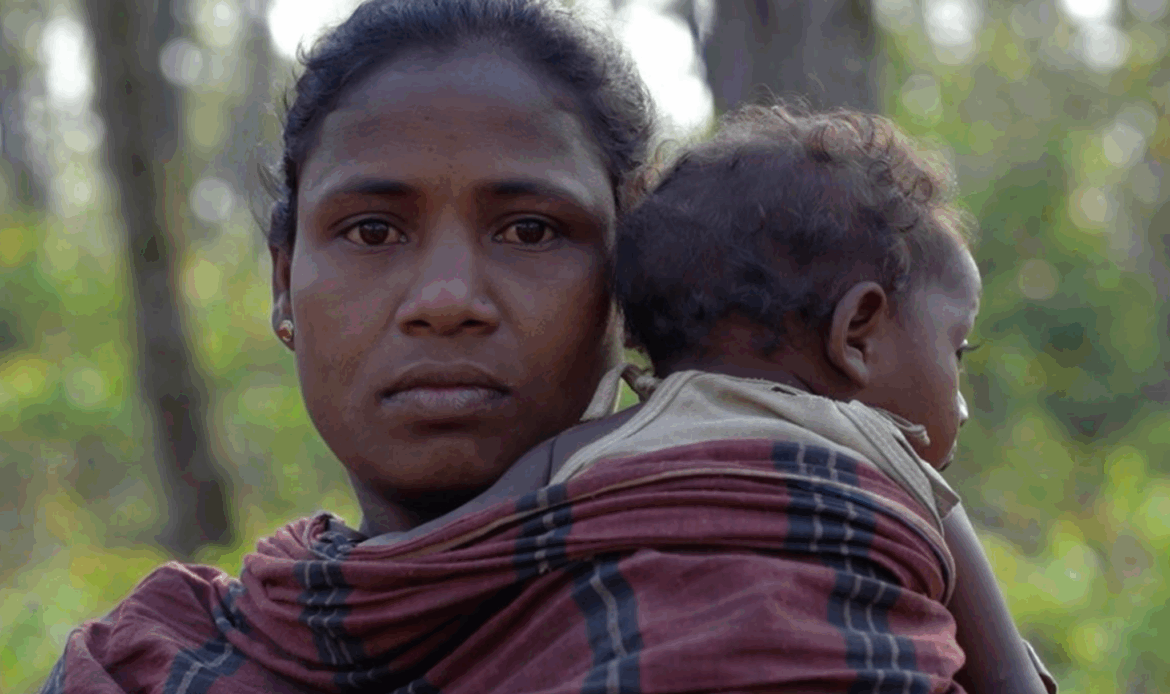
Indigenous Peoples Rights International (IPRI) strongly condemns the ongoing criminalization and violence against Indigenous Peoples in Odisha, India, under the guise of conservation. Members of the Ho Adivasi community in Bakua village, located within the Similipal Tiger Reserve (STR), have been subjected to attacks, especially targeting Indigenous women. Forest guards are reportedly responsible for much of the violence. According to documentation by the Community Network Against Protected Areas (CNAPA), on June 16, 2025, Indigenous women from Bakua were assaulted by forest guards while transporting roofing materials for their homes—urgently needed before the monsoon. They were unjustly stopped, verbally abused with sexist slurs, dragged, beaten, and had their clothing torn. When villagers protested the violence and the unauthorized construction of a forest gate—installed without Gram Sabha consent, in violation of the Forest Rights Act (FRA) and the Panchayats (Extension to Scheduled Areas) Act (PESA)—they faced intensified repression. The FRA and PESA protect Indigenous communities’ rights to land, resources, and self-governance, including the right to reject external development projects. In the days that followed, forest and police officials blocked journalists and human rights defenders from accessing the area. A smear campaign was launched against the villagers. On June 21, a midnight raid attempted mass arrests and forced evictions. The Bakua community, with an estimated 500 families, now lives under constant threat and fear, facing state-led intimidation. Now, in a deeply alarming escalation, the Forest Department has filed criminal cases against members of the Bakua community, including those who have spoken out against the violence. These cases include trespassing, assault against government officials, “ illegal mass movement for criminal activities,” and destruction of public property. These cases violate Indigenous Peoples’ rights to land, peaceful assembly, and freedom of expression, and represent clear acts of state-led discrimination. This is not an isolated case. Since 1988, multiple Indigenous villages—including Kabataghai, Jamunagarh, Jenabil, Bakua, Khajuri, Upper Barhakamuda, and Bahaghar—have been forcibly displaced for conservation and ecotourism projects. Affected communities include the Ho, Kol, Santal, Bhumij, and Particularly Vulnerable Tribal Groups (PVTGs), such as the Kharia and Mankirdia. These groups depend on non-timber forest products for their livelihoods. On April 24, 2025, the Odisha government declared the 845 sq. km Similipal Tiger Reserve as a National Park. The wider Similipal Biosphere Reserve covers 4,374 sq. km, including a 2,129 sq. km buffer zone classified as a Wildlife Sanctuary. Despite protections under the Forest Rights Act (2006), the PESA Act (1996), and international human rights standards, these communities face harassment, denial of access to sacred sites, and dispossession from ancestral lands. Most relocations are being carried out without Free, Prior, and Informed Consent (FPIC), in clear violation of Indian and international law. Displacement has led to the collapse of traditional livelihoods, hunger, and worsening health conditions. Some displaced families have been removed from voter rolls and denied essential services. Testimonies from Indigenous women described threats, sexual violence, and constant fear. IPRI urges all governments to ensure that conservation efforts uphold, rather than violate, the rights of Indigenous Peoples. Decades of evidence affirm that Indigenous-led conservation is more effective, equitable, and sustainable. In contrast, militarized and exclusionary approaches fuel systemic violence and deepen injustice. True conservation cannot succeed without Indigenous leadership, land rights, and free, prior, and informed consent at its core. Even more: these forced evictions violate India’s laws and its international obligations under the UN Declaration on the Rights of Indigenous Peoples, the Convention on the Elimination of All Forms of Discrimination Against Women (CEDAW) — especially General Recommendation No. 39 — and the International Covenant on Civil and Political Rights (ICCPR). These grave concerns echo those expressed by the UN Committee on the Elimination of Racial Discrimination (CERD) in its Early Warning and Urgent Action letter to India, issued in May 2025, which highlighted the use of conservation to justify violations against Indigenous Peoples. We call on the Indian government and the Odisha state authorities to: Immediately drop all criminal charges against members of the Bakua community; Immediately stop all raids and smear campaigns against Adivasi communities; Investigate and punish all acts of violence by state officials and forest guards, especially those against Indigenous women; Recognize and protect Indigenous land rights, including sacred and spiritual sites; Provide full reparations to affected women and communities; Properly implement the Forest Rights Act and PESA Act; Stop all forced relocation and evictions; Establish genuine dialogue with Indigenous Peoples to ensure conservation activities respect their rights, self-governance, and livelihoods, and acknowledge their long-standing role as guardians of their lands, territories, and resources.