The world is racing to address the climate crisis through the expansion of renewable energy and the extraction of critical minerals needed to power it. While the energy transition away from fossil fuels is both necessary and urgent,..
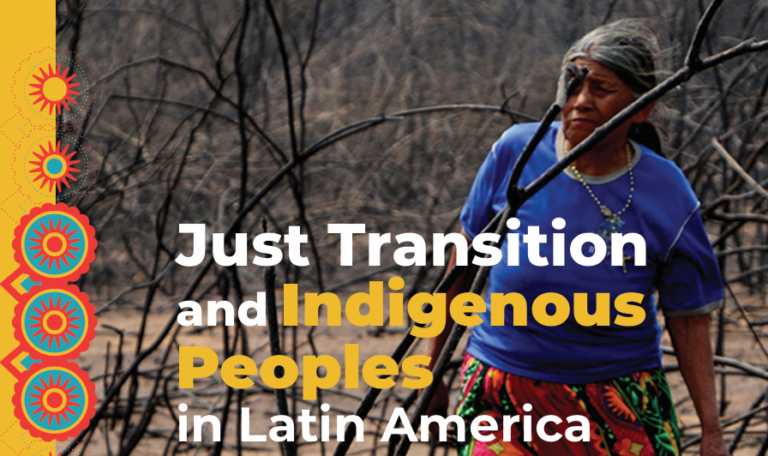

The world is racing to address the climate crisis through the expansion of renewable energy and the extraction of critical minerals needed to power it. While the energy transition away from fossil fuels is both necessary and urgent,..
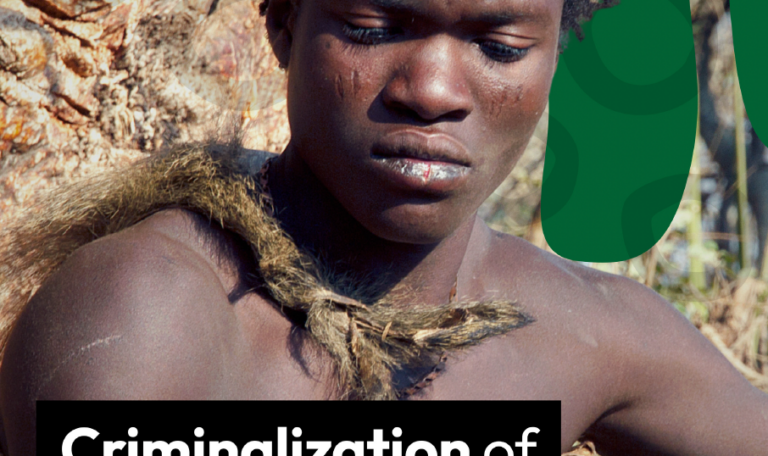
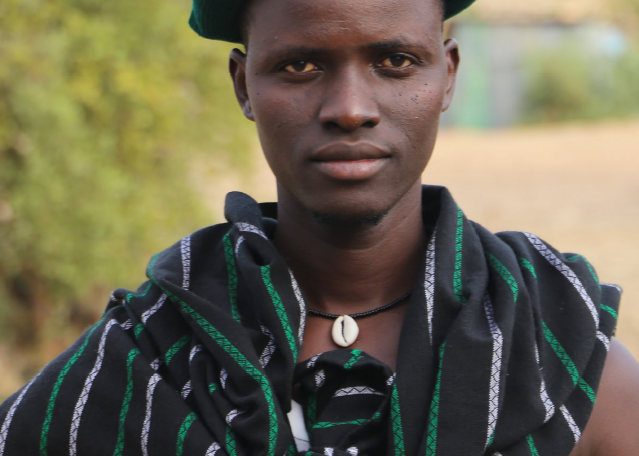
The Tanzanian Constitution, specifically Article 13, prohibits discrimination of all forms. Apart from its Constitution, the country has signed and ratified numerous regional and global legal instruments against all forms of discrimination based on gender and cultural background…

“I am Norma Sancir, a Kaqchiqel Maya journalist and defender of the rights of Indigenous Peoples and of freedom of expression. Community communication is my work and my way of fighting; I am the daughter of a mother..
Conservation is meant to protect nature. Yet in many parts of the world, it continues to come at the expense of the Indigenous Peoples who have safeguarded forests, biodiversity, and ecosystems for generations. From Criminalization to Genuine Partnership:..
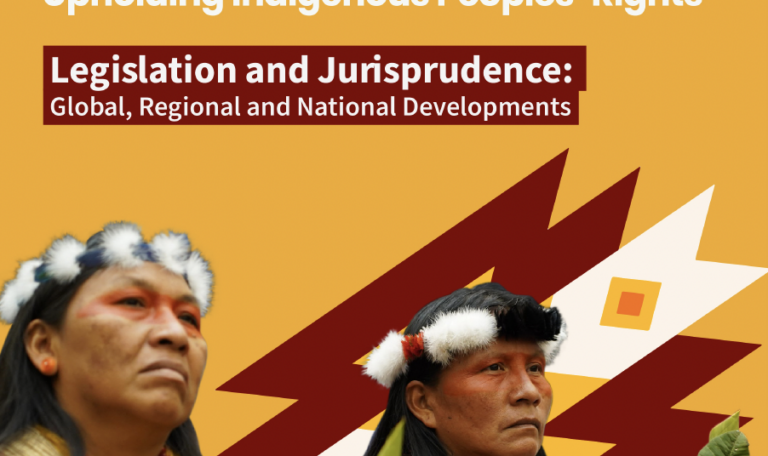
The centuries of struggle by Indigenous Peoples around the world against colonization, forced assimilation, and systemic discrimination have resulted in the adoption of the UN Declaration on the Rights of Indigenous Peoples (UNDRIP) by the UN General Assembly..
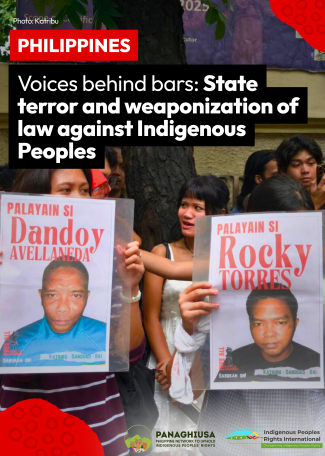
By Panaghiusa Philippine Network to Uphold Indigenous Peoples’ Rights The Philippines is home to an estimated 14–17 million Indigenous Peoples, whose communities span the archipelago from the Cordillera in the north to Mindanao in the south. Despite constitutional..
When Indigenous defenders are criminalized and subjected to violence, the objective is not justice. The objective is silence, intimidation, collective punishment, and dispossession. Criminalization and violence are designed to wear down Indigenous defenders and communities quietly until resistance..
Este informe se elabora en el marco de la investigación impulsada por Indigenous Peoples Rights International (IPRI) sobre detención y encarcelamiento de personas indígenas por ejercer y defender sus derechos, especialmente los vinculados con la libre determinación y..
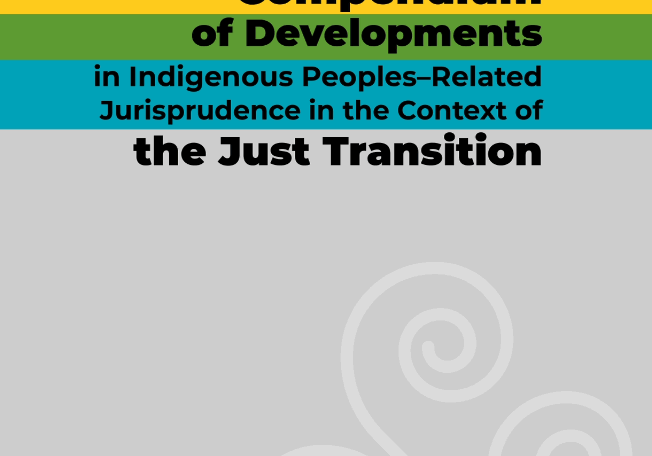
Over the past decade, the language of climate ambition has grown louder, yet for many Indigenous Peoples the soundtrack of the “green” economy still feels like the old extractive anthem: minerals leave ancestral territories, turbines rise on sacred..
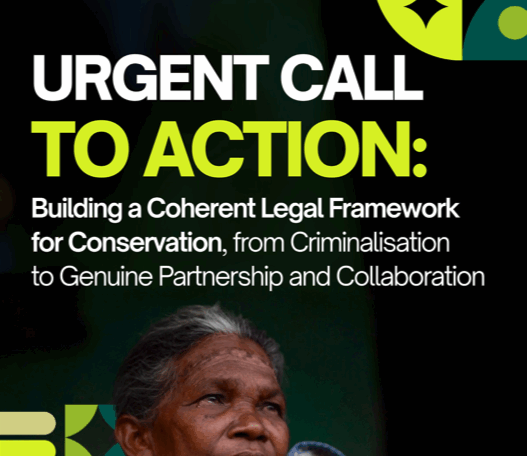
The path forward is clear. Conservation must break with its colonial legacy of exclusion and criminalization and embrace a future grounded in justice and self-determination. That means recognizing Indigenous Peoples not as obstacles but as leaders and rights-holders…


