Category: Statements

From commitments to reality: why Indigenous consent is still failing in global investment projects

Washington, D.C., April 14, 2026 — Despite years of policy commitments, the gap between recognizing Indigenous Peoples’ rights and actually respecting them on the ground remains wide. That was the central message at a high-level session during the World..

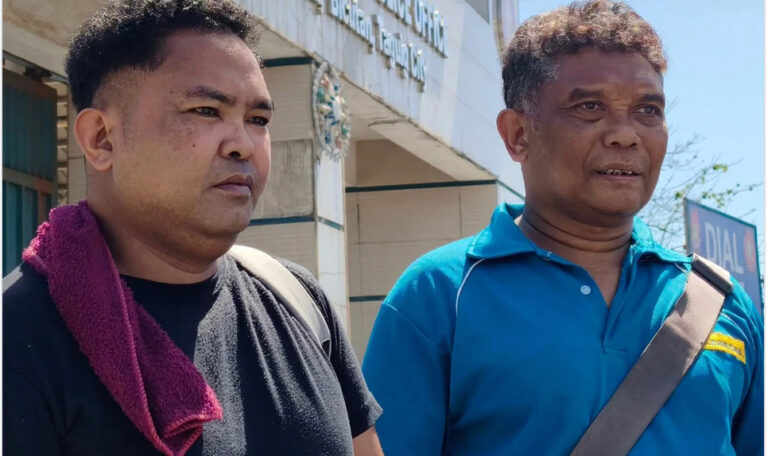
Philippines: After nearly eight years of arbitrary detention, Indigenous Dumagat Rocky Torres and Avelardo “Dandoy” Avellaneda are finally free; IPRI demands accountability

May 14, 2026. Indigenous Peoples Rights International (IPRI) welcomes the release of Indigenous Dumagat farmers Rocky Torres, 32, and Avelardo “Dandoy” Avellaneda, 54, on 9 May 2026 after nearly eight years of arbitrary detention in the Philippines. Their release brings long-awaited..

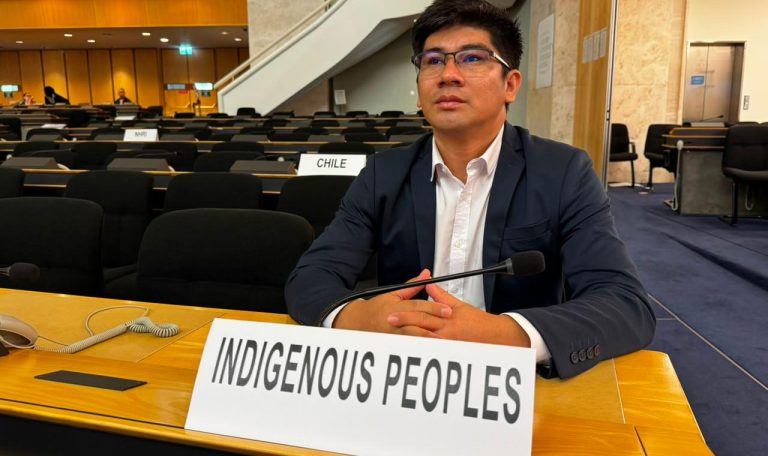
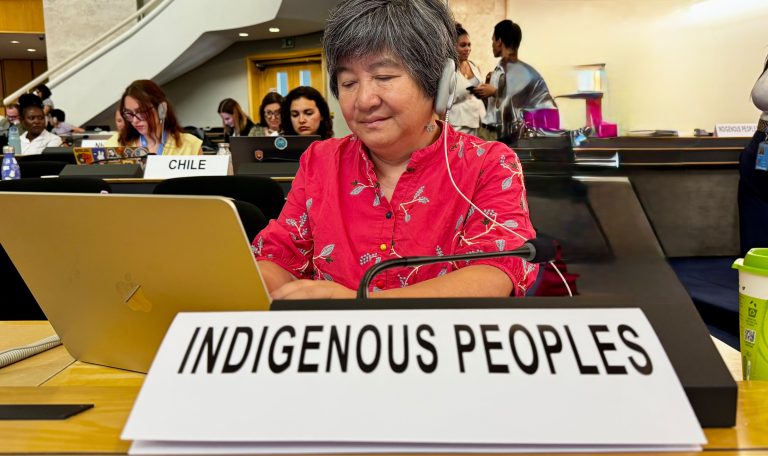
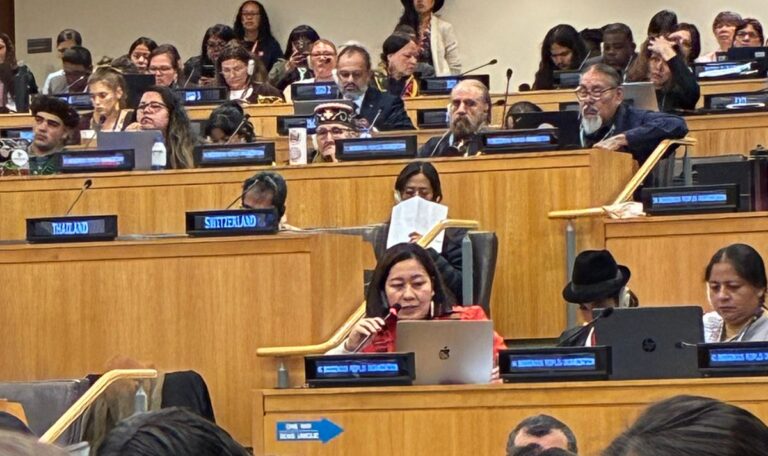
UNPFII 25 || Intervention on Item 5 (d): Human rights dialogue with the Special Rapporteur on the rights of Indigenous Peoples and the EMRIP; annual review of progress on the implementation of general recommendation No. 39 (2022)

UNPFII25 Intervention on Agenda Item 5 E: Item 5 (d): Human rights dialogue with the Special Rapporteur on the rights of Indigenous Peoples and the Expert Mechanism on the Rights of Indigenous Peoples; annual review of progress on the implementation of general recommendation No…

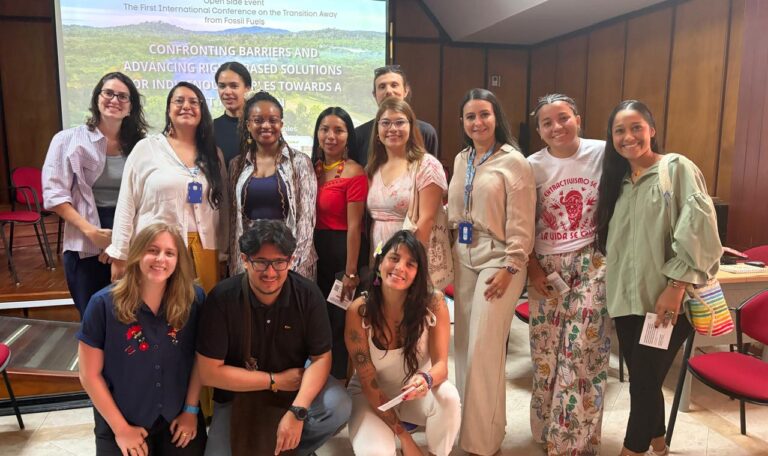
Barriers to Achieving a Just Transition Away from Fossil Fuels. Submission to the First International Conference on the Transition Away from Fossil Fuels

The First International Conference on the Transition Away from Fossil Fuels 24-29 April 2026 Santa Marta, Colombia Co-hosted by the Governments of Colombia and the Netherlands Submission by the Indigenous Peoples Rights International The Indigenous Peoples Rights International..

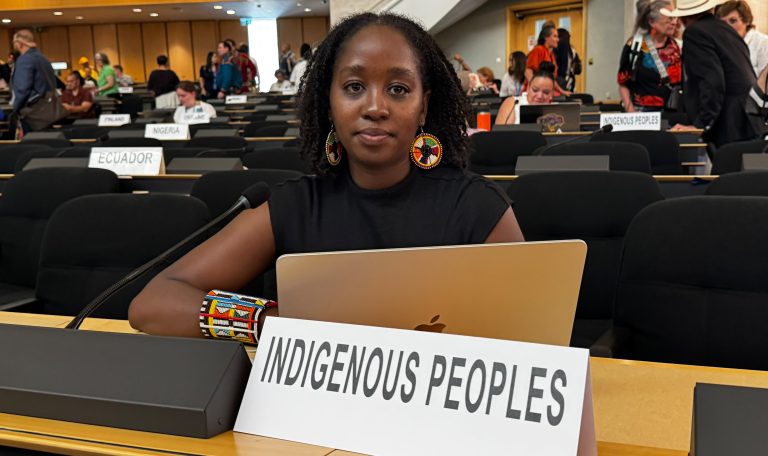
UNPFII 25 || Intervention on Agenda Item 5 E: Indigenous Peoples and Climate Change 

UNPFII25 Intervention on Agenda Item 5 E: Indigenous Peoples and Climate Change Joan Carling, Indigenous Peoples Rights International The energy transition is a central response to climate change, but for many Indigenous Peoples it risks repeating the sameextractive model that has driven the crisis. With around 54% of energy transition minerals located on or near Indigenous territories, climate solutions are increasingly imposed on lands already under pressure. Energy projects are being implemented..