This is the third murder against the Baldenegro family, renowned defenders of the forest. Mexico must ensure justice and effective protection measures for all the members of the Raramuri community of Coloradas de la Virgen. Mexico, a State..
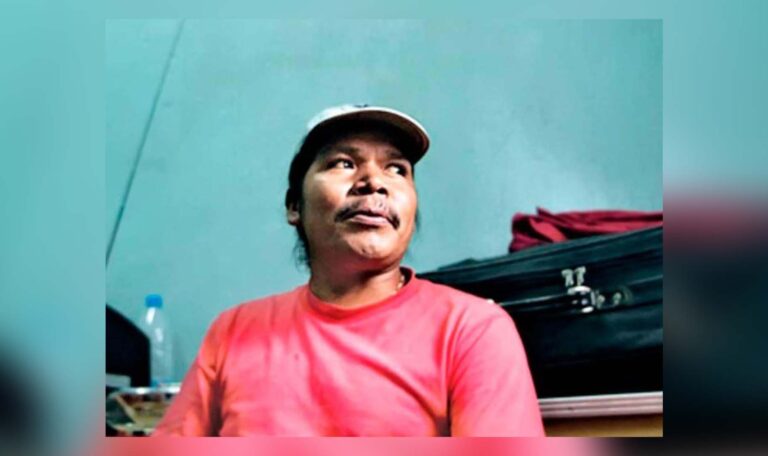

This is the third murder against the Baldenegro family, renowned defenders of the forest. Mexico must ensure justice and effective protection measures for all the members of the Raramuri community of Coloradas de la Virgen. Mexico, a State..
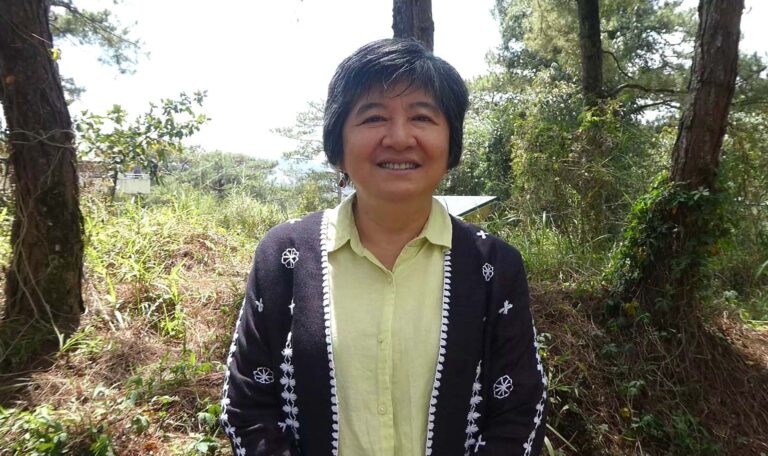
Greetings of peace and solidarity! I am Joan Carling, an indigenous human rights and environmental defender from the Philippines, working with the Indigenous Peoples Rights International and a Board member of the Lands Right Now. As we celebrate..
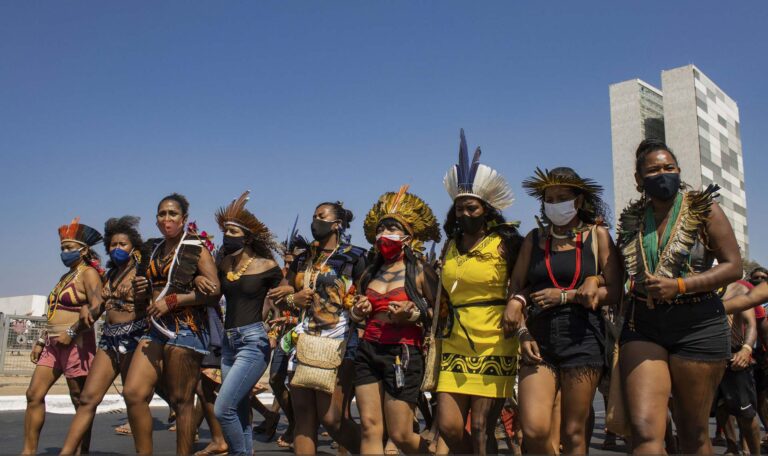
With information of Apib The minister of the Federal Supreme Court (STF), Luis Roberto Barroso, decided on Tuesday (Feb. 1) to suspend the administrative acts of the National Indian Foundation (FUNAI) that exclude non-demarcated Indigenous Lands from the..
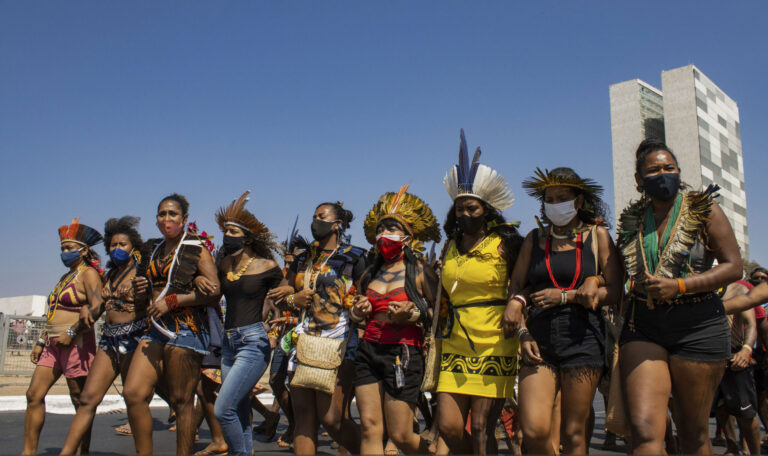
With information of Apib The minister of the Federal Supreme Court (STF), Luis Roberto Barroso, decided on Tuesday (Feb. 1) to suspend the administrative acts of the National Indian Foundation (FUNAI) that exclude non-demarcated Indigenous Lands from the..
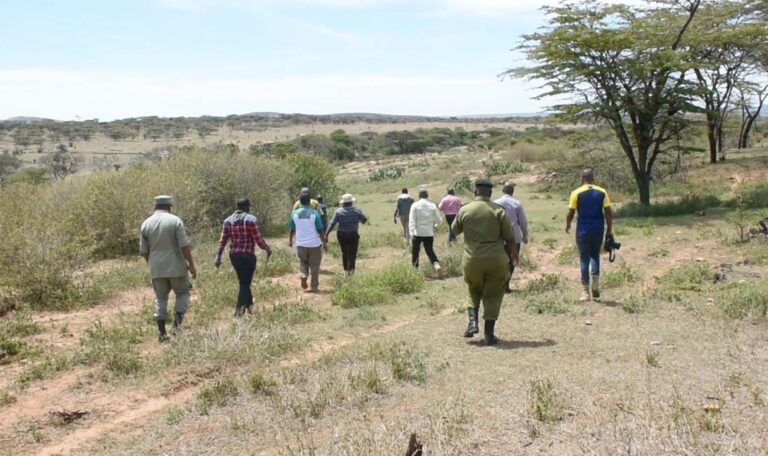
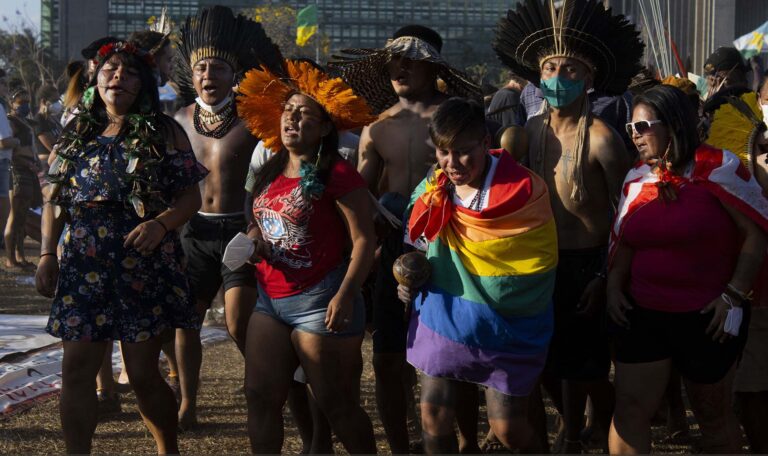
The recognition and protection of indigenous peoples lands, territories and resources is key to the exercise of their human rights. At least 239 traditional territories and 114 peoples in voluntary isolation or recent contact will be adversely affected…
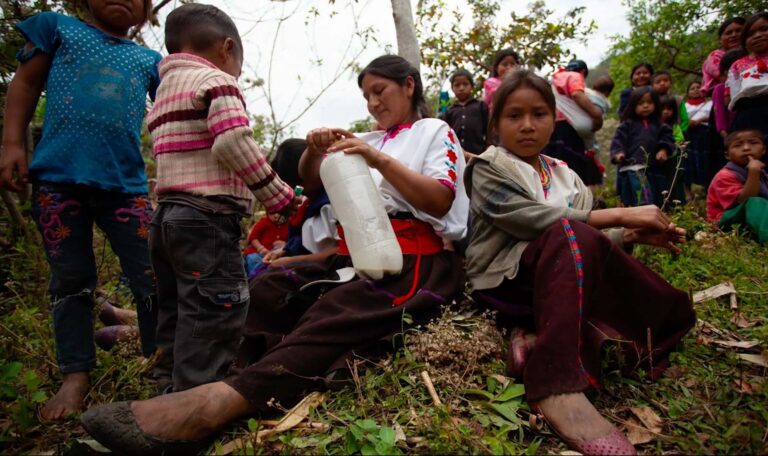
The Indigenous Peoples Rights International (IPRI), an international organisation that defends the rights of Indigenous Peoples, makes a respectful call on your government to carry out effective actions for the protection of the life, integrity and the right..
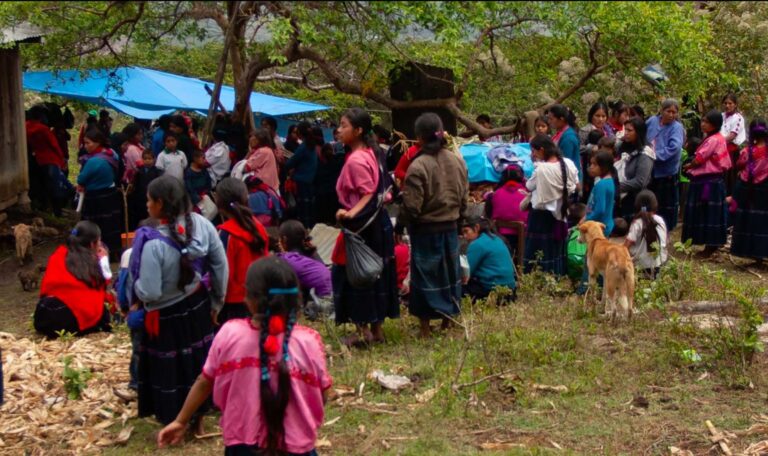
Indigenous Peoples Rights International (IPRI) and Front Line Defenders express their deep concern at a new wave of attacks against Tzotzil and Tzeltal indigenous communities in the state of Chiapas, in Southern Mexico. During the first days of..
Mr. Andrés Manuel López Obrador. Constitutional President of Mexico The Indigenous Peoples Rights International (IPRI), an international organisation that defends the rights of Indigenous Peoples, makes an urgent call to the government you lead to increase the efforts..


