Download full PDF
Download full PDF
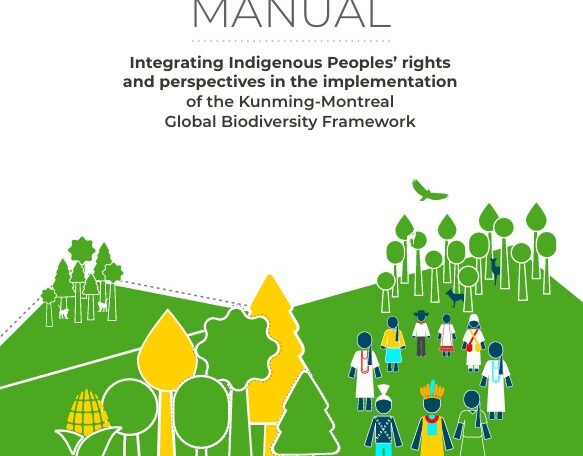
The Indigenous Peoples Rights International (IPRI) is engaging with its partners at the national level to “Enhance Indigenous Peoples’ Participation in Implementing the Global Biodiversity Framework at the National Level”. It aims to empower Indigenous Peoples to actively..
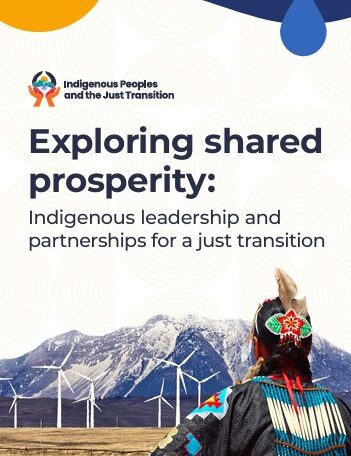
To avoid climate catastrophe, renewable energy capacity must triple in the next six years. The private sector plays a critical role in this energy transition – as do Indigenous Peoples. If the opportunity of a just transition is..
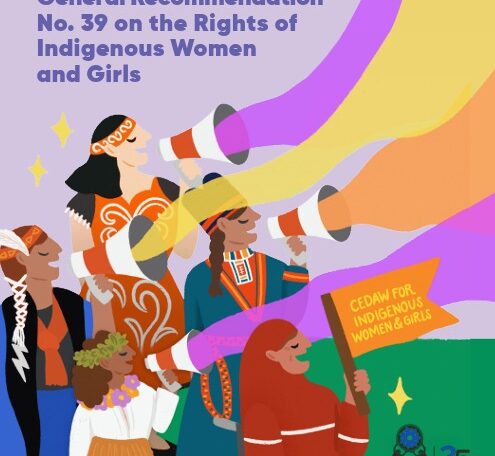
Issued by the Committee on the Elimination of Discrimination against Women (CEDAW) in October 2022, provides important guidance and recommendations for the rights and well-being of guidance and recommendations for the rights and well-being of indigenous women and..
2023 was a year marked by consolidation and growth for IPRI, building upon the lessons gleaned from our initial years to embark on the implementation of our 5-Year Strategic Plan. Throughout the year, we responded to numerous collaboration..
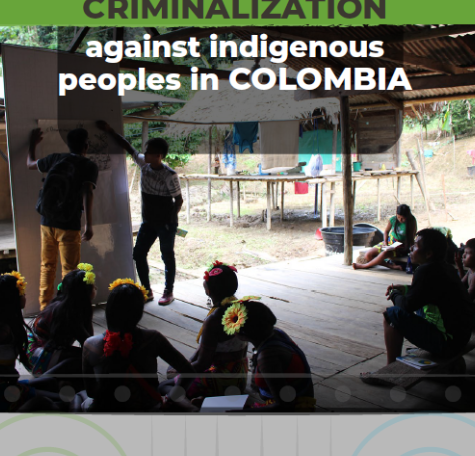
This report is a product of IPRI’s ongoing work in Colombia. It identifies the features and patterns of violence, impunity, and criminalization that Indigenous Peoples have historically suffered in this country, focusing on the period 2021-2022. This report..
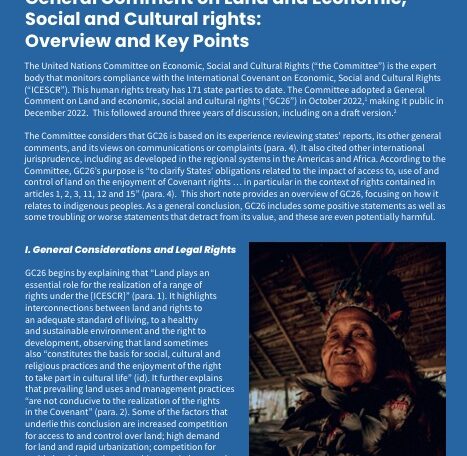
The United Nations Committee on Economic, Social and Cultural Rights (“the Committee”) is the expert body that monitors compliance with the International Covenant on Economic, Social and Cultural Rights (“ICESCR”). This human rights treaty has 171 state parties..
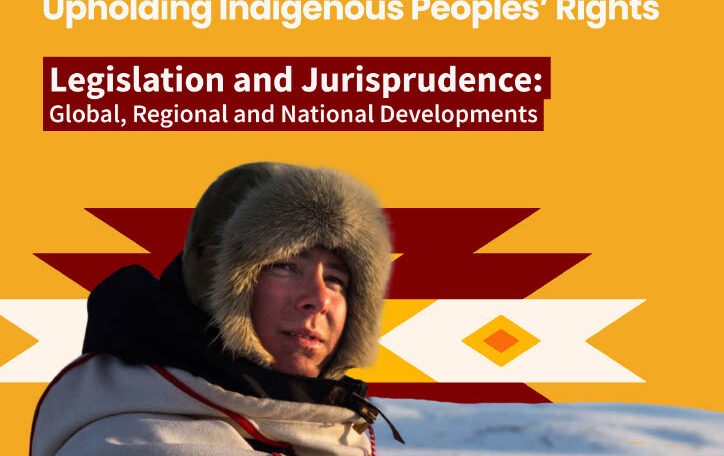
The centuries of struggle by Indigenous Peoples around the world against colonization, forced assimilation and systemic discrimination have resulted in the adoption of the UN Declaration on the Rights of Indigenous Peoples (UNDRIP) by the UN General Assembly..