Indigenous Peoples and other tribes in Tanzania consider half of the designated wildlife protected areas as their ancestral lands, which currently make up 40 percent of the country’s total land area. There are 657 wildlife protected areas in..
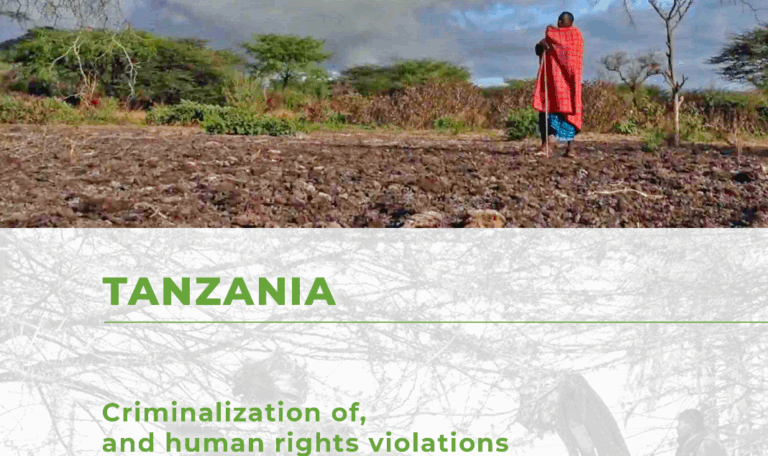

Indigenous Peoples and other tribes in Tanzania consider half of the designated wildlife protected areas as their ancestral lands, which currently make up 40 percent of the country’s total land area. There are 657 wildlife protected areas in..
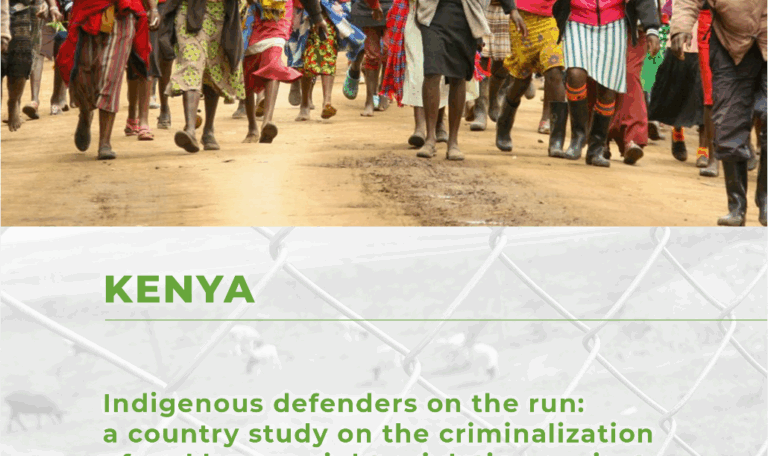
Human rights violations against Indigenous Peoples living within and around conservation and protected areas is a persisting issue in Kenya. Colonial laws on conservation were progressively amended under Kenya’s Constitution of 2010 resulting in laws crafted with specific..
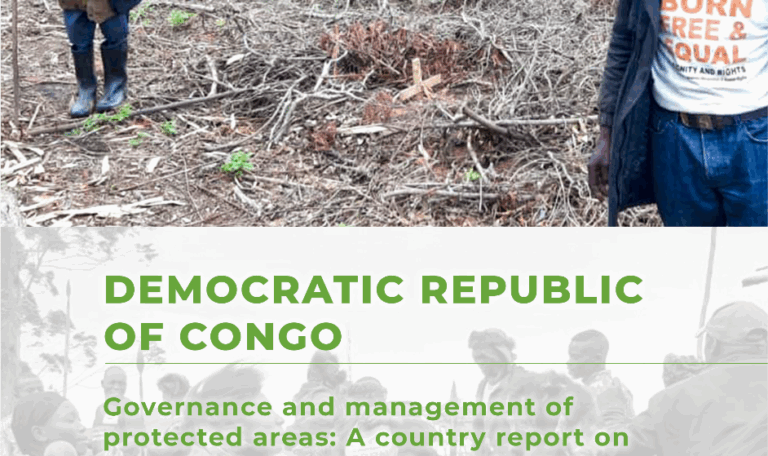
The Democratic Republic of Congo (DRC) covers 60 percent of the 3.6 million km2 Congo Basin Forest, which spans six countries of the African region. Indigenous Pygmy Peoples live by, and from the forests and have maintained ancient,..
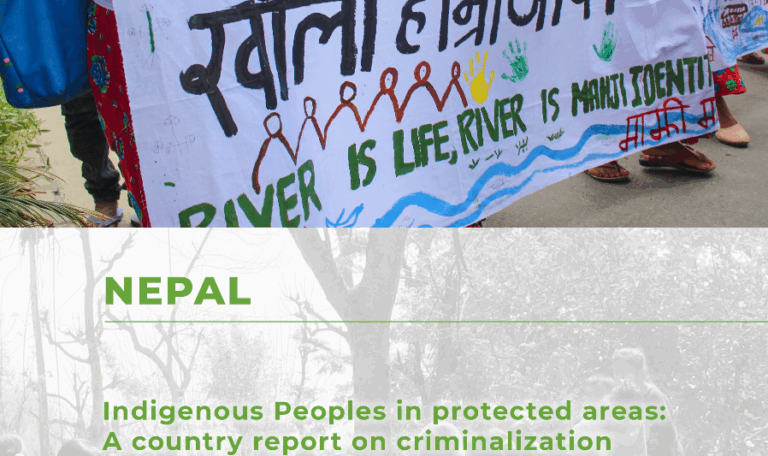
Protected areas in Nepal make up 23.39 percent of its total land area. It comprises of national parks, hunting reserves, conservation areas and wildlife reserves. All these areas belong to, if not overlap with the ancestral lands of..
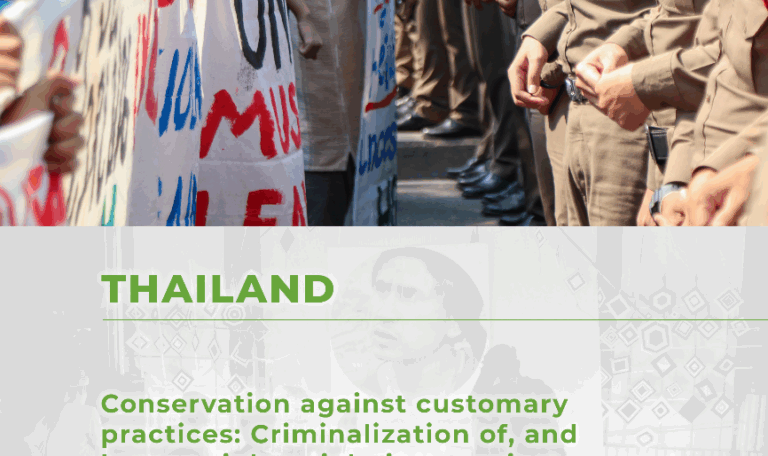
The laws on environment and natural resources in Thailand restrict and criminalize the customary practices of resource management of Indigenous Peoples, who are referred to as hill tribes. The implementation of these laws are contributing highly to the..
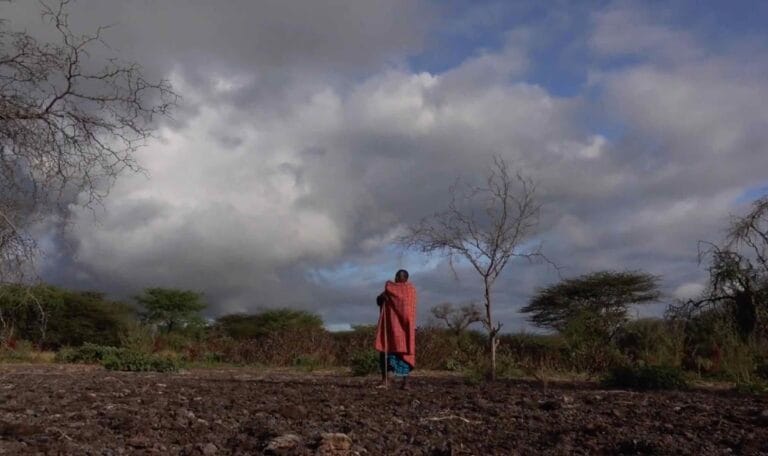
As part of its work to confront criminalization of, and human rights violations against Indigenous Peoples, Indigenous Peoples Rights International (IPRI) decided to contribute to the ongoing calls for a human rights-based approach to conservation. As a start,..
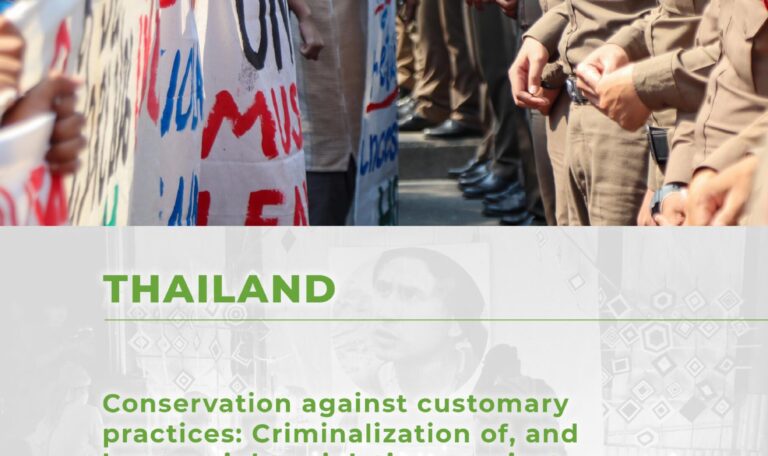
Download the full Thailand Report here.
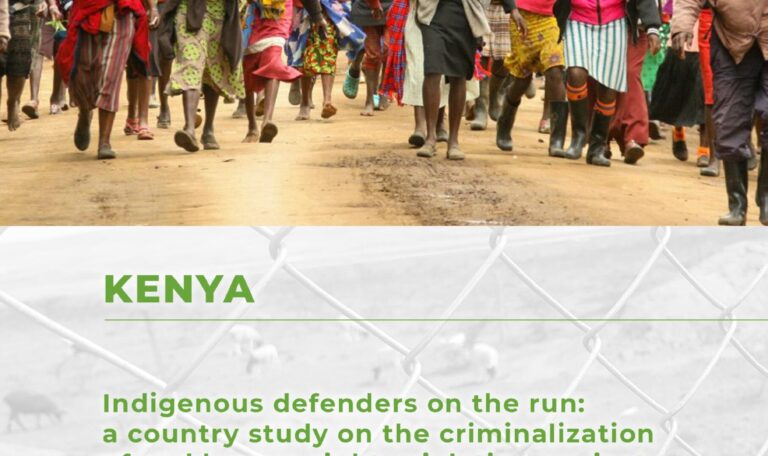
Download the full Kenya Report here.
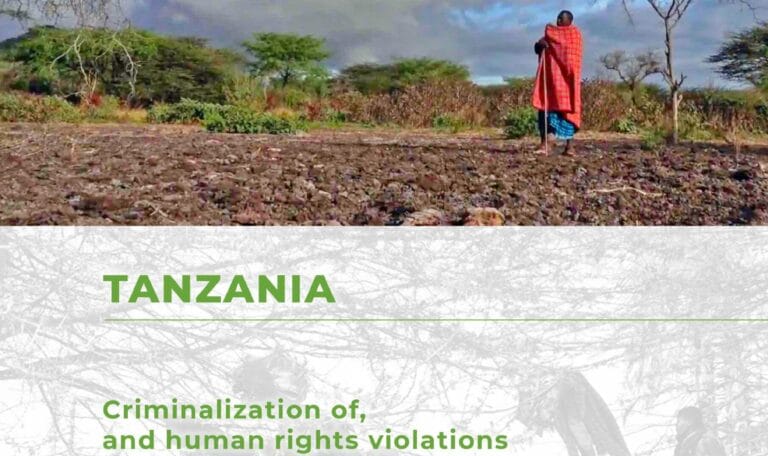
Download the full Tanzania Report here.
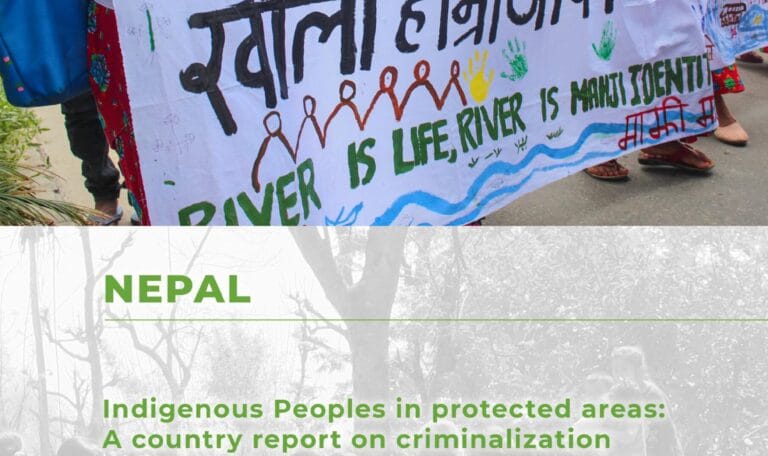
Download the full Nepal Report here.
