
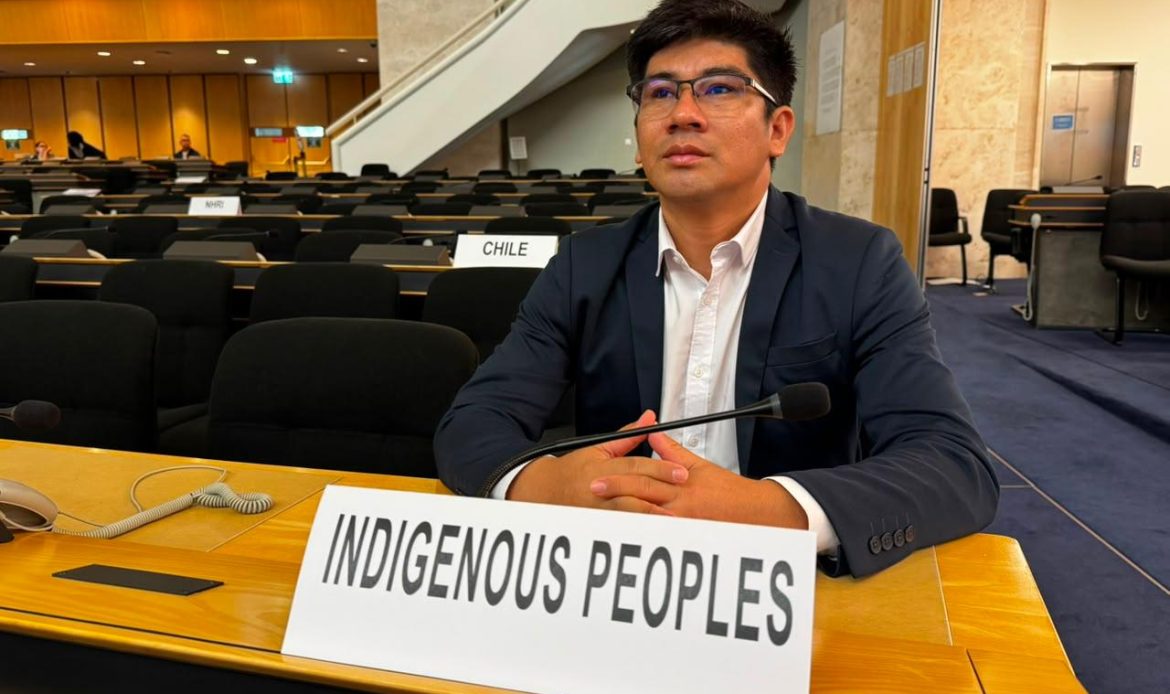
Expert Mechanism on the Rights of Indigenous Peoples (EMRIP). 19th Session
Agenda item 11: Future work of the Expert Mechanism, including follow-up to recommendations made in previous studies and advice
Statement by Indigenous Peoples Rights International (IPRI)
Thank you, Chair.
Indigenous Peoples Rights International (IPRI) welcomes EMRIP’s continued attention to the situation of Indigenous human rights defenders, including those who have faced reprisals for engaging with the United Nations, and to the growing impacts of violence and criminalization against Indigenous Peoples.
As part of our mandate, IPRI has documented widespread human rights violations against Indigenous Peoples and is currently developing a global database and research on violence and criminalization affecting Indigenous communities.
One of the most consistent findings emerging from our work is the lack, or inadequacy, of protection mechanisms for Indigenous human rights defenders.
In many countries, such mechanisms simply do not exist. Where they do exist, they often fail to reflect Indigenous realities. Protection measures are generally designed for individuals rather than communities and frequently overlook the collective nature of Indigenous rights, territories, and governance systems.
Measures such as electronic devices, security escorts, or relocation may be ineffective, or even counterproductive, for Indigenous defenders who remain in their ancestral territories defending their lands. These shortcomings are particularly acute for Indigenous women defenders, who face gender-specific risks and barriers.
At the same time, Indigenous Peoples have developed their own collective protection strategies, including Indigenous guards, community-based monitoring, and traditional governance systems. These initiatives deserve greater recognition and support, together with States’ compliance with their obligations to protect human rights defenders.
IPRI therefore respectfully requests EMRIP to develop expert advice on protection mechanisms for Indigenous human rights defenders, assessing existing Indigenous, national, regional, and international approaches, identifying good practices and gaps, and providing practical recommendations to strengthen culturally appropriate and collective protection.
We also encourage EMRIP to convene an international expert workshop where Indigenous defenders can share their experiences as well as States, National Human Rights Institutions, and international human rights mechanisms.
IPRI stands ready to support this process and contribute to the preparation of a future report and to provide expert advice.
Thank you.


