
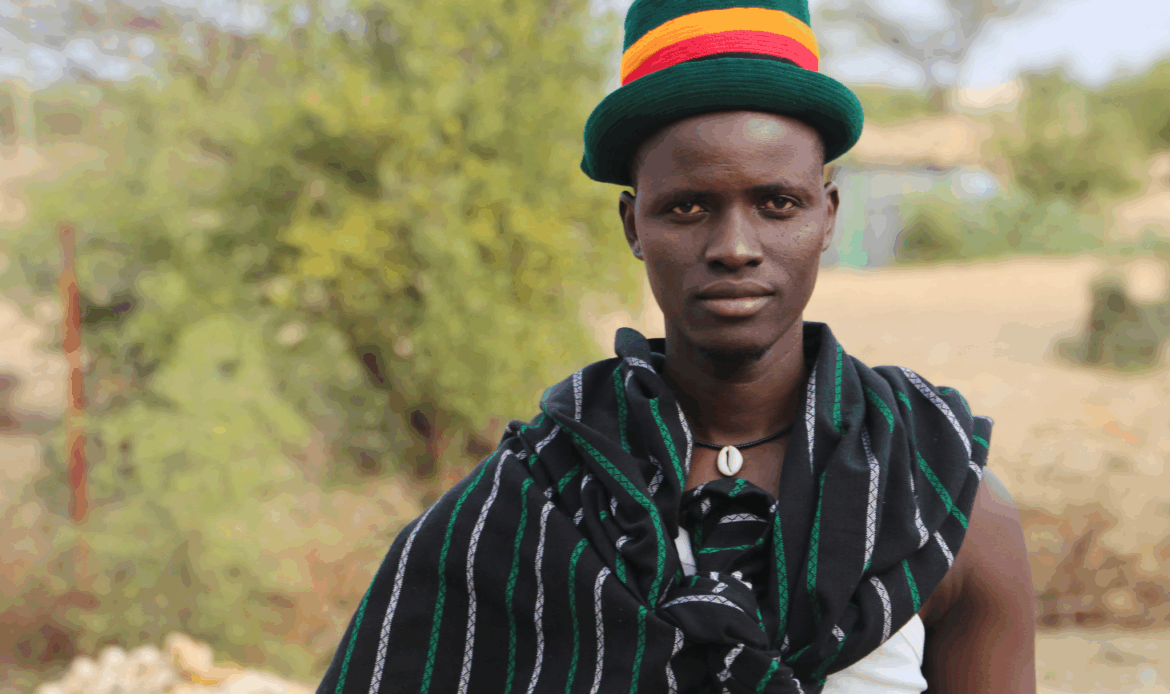
In 2012, the discovery of oil in the Lokichar oil basin of Turkana County, northwestern Kenya, was heralded as a milestone for national development. Tullow Oil Company, granted extraction rights under a Compulsory Land Acquisition process led by the National Land Commission, signed agreements with the County Government of Turkana.
Yet, this process unfolded without free, prior, and informed consent (FPIC) of the Indigenous Turkana people, raising deep concerns about land rights and justice.
Environmental harm and community impacts
Since the beginning of extraction, local communities have borne the brunt of environmental harm. Indigenous Africa has reported that Tullow Oil facilities store toxic drilling residues improperly, failing to meet the standards of the National Environmental Management Authority (NEMA).
Pastoralists recount how chemicals flow into water sources during rains, poisoning livestock and endangering community health.
Meanwhile, displacement has stripped Turkana peoples of land, trees, and medicinal plants, deemed “valueless” by authorities, while only “temporary houses of no value” were offered in return. This narrative of undervaluation deepens the dispossession of an already vulnerable community.
Compensation funds mismanaged
Between 2012 and 2016, payments from Tullow Oil were directed to municipal authorities.
With Kenya’s devolution of 2013 [1] and enactment of Community Land Regulations in August 2017 [2] to operationalize the Community Land Act 2016, new provisions required counties to act as trustees and promptly release all compensation funds directly to community land management committees upon registration of respective community lands.
However, on 20th June 2024, Tullow Oil deposited KSH 258 million (almost USD 2 million) to Turkana County as compensation for the communities’ land leased.
Instead of channeling the funds into community accounts or keeping them in a special interest-earning account for affected communities as mandated by law, the County Government diverted them for other purposes. Officials justified this as lease, taxes, levies, and rates payments, while civil society groups such as the Turkana Extractive Consortium insist the funds legally belong to the communities.
Geoffry Ariong leads the fight for accountability
Against this backdrop, Geoffry Ariong, an Indigenous Turkana and the Executive Director of Turkana Indigenous People Action for Development (TIPD), has taken a leading role in seeking accountability.
On 24th June 2025, TIPD filed a case before the Land and Environmental Court against the County Government of Turkana, alongside Tullow Oil and the National Land Commission.
Threats and intimidation escalate
Yet this pursuit of justice has come at a cost. Geoffry reports receiving threatening calls from hidden numbers and harassment via WhatsApp.
Fearing for his safety, he relocated to Turkana South, but remains under threat, especially as court notices are set to be served in the coming days.
“We are increasingly concerned about the safety of Geoffry,” TIPD stated, anticipating that threats will escalate once the case formally proceeds.
Financial strain on the community
Beyond physical risks, financial hurdles loom large. With legal fees already stretching the community’s capacity, TIPD faces a pending balance of KSH 520,000 (USD 4,000).
Despite these challenges, the community remains determined to hold the government and corporations accountable.
Support from the Legal Defense and Sanctuary Fund (LDSF)
In response to this precarious situation, the Legal Defense and Sanctuary Fund (LDSF) has stepped in to support Geoffry. The Fund is providing logistical assistance to cover immediate expenses, ensure his safety, and sustain the legal battle.
This includes resources to deal with the intimidation that is expected once the defendants are formally notified, and financial support that allows Geoffry to safeguard himself and his family.
The intervention of the LDSF is essential in protecting not only Geoffry’s rights, but also the collective struggle of the Turkana communities to defend their land and environment.
A broader struggle for Indigenous rights and environmental justice
The Turkana oil story encapsulates a broader struggle for Indigenous rights, environmental justice, and accountability in resource extraction.
While the discovery of oil was touted as a path to prosperity, it has brought displacement, toxic exposure, and contested compensation.
The case spearheaded by Geoffry Ariong and TIPD—now sustained through the vital backing of the LDSF—could set a critical precedent for how Kenya, and the wider region, balance extractive industries with Indigenous land rights and environmental protection.
References
[1] In this context, “devolution” refers specifically to the 2013 decentralization of governance under Kenya’s 2010 Constitution, which transferred powers and responsibilities, including over land and natural resource management, from national and municipal authorities to the newly created County Governments.
[2] In August 2017, Community Land Regulations were enacted to operationalize the Community Land Act 2016 by providing legal frameworks to register community lands, ensuring communities could claim, own, and protect their land.


