
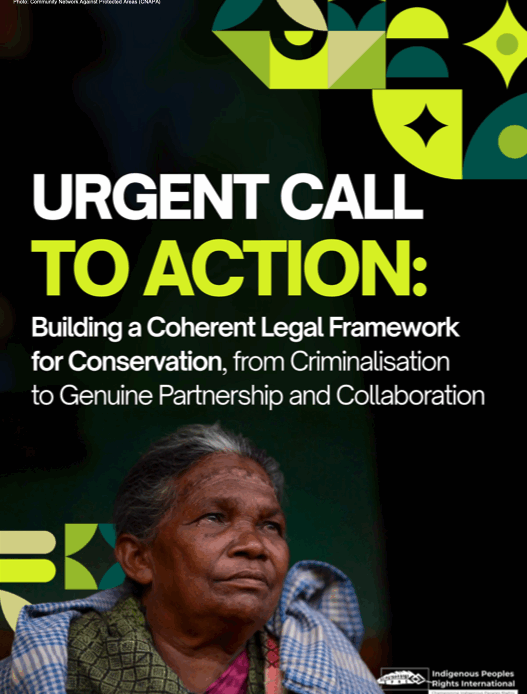
The path forward is clear. Conservation must break with its colonial legacy of exclusion and criminalization and embrace a future grounded in justice and self-determination. That means recognizing Indigenous Peoples not as obstacles but as leaders and rights-holders. It means protecting their lands and securing their tenure as a foundation for global biodiversity.
Conservation must not come at the cost of people’s lives. It must be built on justice, dignity, and the leadership of Indigenous Peoples. To turn these commitments into reality, governments must adopt coherent legal, policy, and administrative measures at every level. Existing laws and practices need to be reviewed to ensure they fully align with international human rights obligations and responsibilities. Legal coherence is central to this effort, ensuring that all environmental laws and policies uphold these obligations.
To better document this issue, IPRI is conducting an analysis of the conservation legal and policy frameworks in twelve countries across Africa, Asia, and Latin America to assess their consistency with international obligations regarding the rights of Indigenous Peoples. This briefing paper aims to provide a summary of the preliminary findings of the ongoing studies and some key recommendations.


