
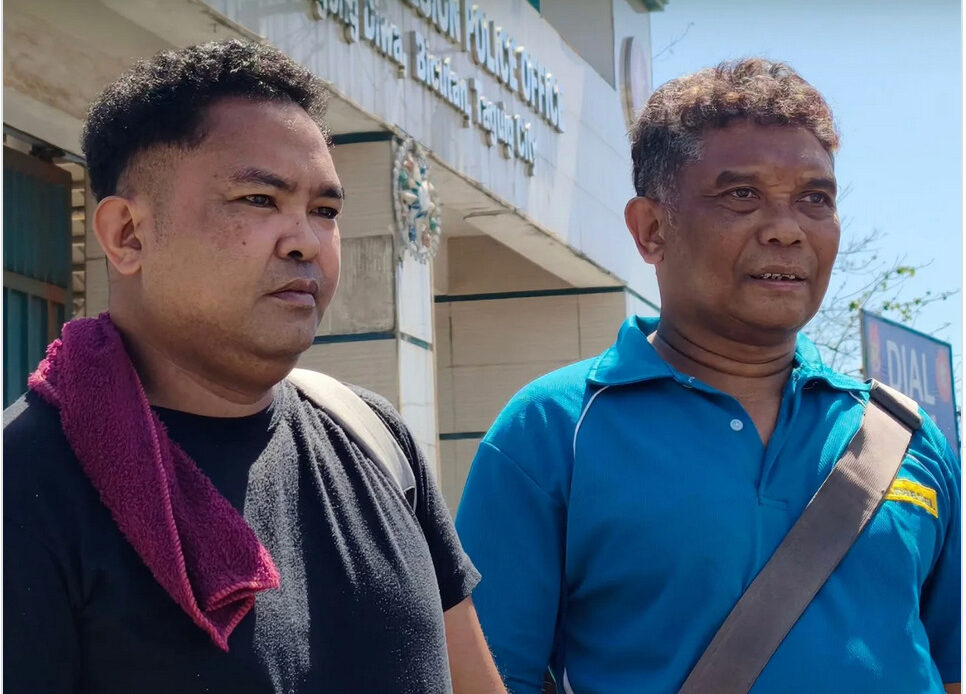
- The case exposes the use of red-tagging, fabricated charges, and prolonged detention against Indigenous Peoples in the Philippines.
- The case became part of IPRI’s Global Campaign on the Incarceration of Indigenous Peoples, supported by 178 signatories, including 29 organizations and Indigenous and human rights networks worldwide.
May 14, 2026. Indigenous Peoples Rights International (IPRI) welcomes the release of Indigenous Dumagat farmers Rocky Torres, 32, and Avelardo “Dandoy” Avellaneda, 54, on 9 May 2026 after nearly eight years of arbitrary detention in the Philippines.
Their release brings long-awaited relief to their families and community, but also highlights the grave injustice they endured, including arbitrary arrest, torture, fabricated charges, and years of imprisonment based on weak and unreliable evidence. The Regional Trial Court in Quezon province ruled on April 30, 2026, that the prosecution failed to establish guilt beyond a reasonable doubt due toinconsistent testimonies and insufficient evidence.
Rocky and Dandoy were arrested in May 2018 by members of the Armed Forces of the Philippines (AFP) after returning from local elections. They were falsely accused of involvement in the killing of a military officer during clashes between the AFP and the New People’s Army (NPA), an armed rebel group, and charged with murder and illegal possession of firearms and explosives.
Both men reported being beaten, tortured, and forced into false confessions. They were detained far from their community while hearings were repeatedly delayed for years.
Their case reflects broader patterns documented by IPRI and partner organizations, including red-tagging (accusation of being a communist or supporting the communist party and its armed group), militarization, fabricated criminal charges, and prolonged detention targeting Indigenous Peoples and community defenders. Indigenous communities defending their lands and rights are often labeled as security threats, exposing them to surveillance, harassment, arbitrary arrest, and violence.
Rocky and Dandoy’s imprisonment is not an isolated case. It reflects the growing criminalization of Indigenous Peoples, particularly in areas targeted for mining, dams, militarization, and other large-scale projects. Their detention also caused severe impacts on their families and community, including fear, stigma, economic hardship, and collective trauma. Local and national Indigenous Peoples organizations in the Philippines have been spearheading campaigns against the systemic red-tagging and criminalization of Indigenous Peoples, including the case of Rocky and Dandoy.
The case was highlighted through IPRI’s Global Campaign on the Incarceration of Indigenous Peoples in coordination with its partner organizations, including an international solidarity letter to Philippine authorities endorsed by 178 signatories from across the world, as well as support to their defense and their families through the Legal Defense and Sanctuary Fund (LDSF).
While their release is an important step, it does not erase the human rights violations committed against them.
IPRI calls on Philippine authorities to:
- Investigate the arbitrary detention, torture, and fabricated charges against Rocky and Dandoy.
- Hold accountable those responsible for their unlawful arrest and prosecution.
- Provide reparations to them, their families, and their community.
- End red-tagging and militarization targeting Indigenous Peoples.
- Ensure full respect for Indigenous Peoples’ collective rights and self-determination.
IPRI reaffirms its solidarity with the Dumagat people and with all Indigenous Peoples facing criminalization and imprisonment for defending their rights, lands, and territories.


