
Stewards turned into encroachers.
LDSF protecting Indigenous communities criminalized for defending land, forests, and collective survival
“Custodians were turned into trespassers.”
For the Ogiek Indigenous Peoples in Kenya, the phrase reflects a painful reality. After winning a landmark ruling before the African Court recognizing their ancestral rights to the Mau Forest, Ogiek families continue to face evictions, arrests, and the destruction of their homes.
Across continents, similar patterns are unfolding.
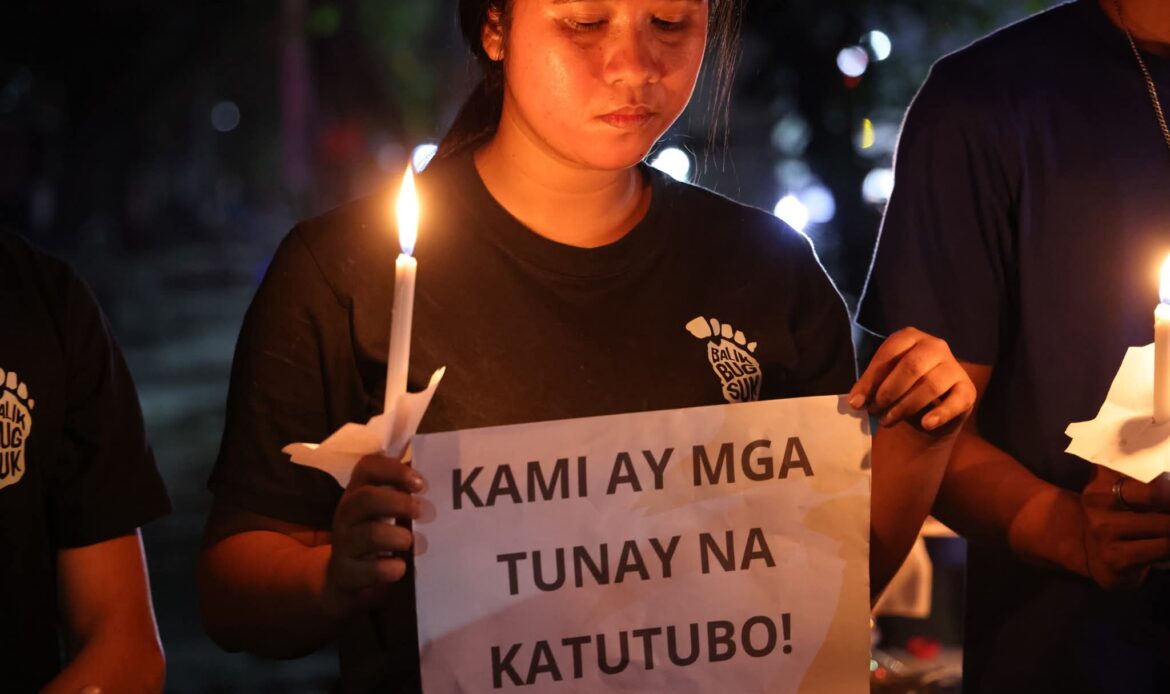
In the Philippines, the Marihangin Indigenous community has waited more than two decades for legal recognition of their ancestral domain while facing escalating threats linked to tourism expansion projects. Community leaders now face criminal charges after resisting attempts to remove them from the island.
In Paraguay, Ayoreo leaders defending the Chaco forest are being prosecuted after demanding equitable humanitarian aid during drought and fires that devastated their territory. Their criminalization intensified after they challenged deforestation threatening both settled communities and Ayoreo communities living in voluntary isolation.
And in Colombia, the Je’eruriwa People achieved constitutional recognition as victims of forced displacement after decades of dispossession, only to encounter new institutional blockades and violence preventing access to land necessary for their collective survival.
These cases are not isolated.
During the first quarter of 2026, the Legal Defense and Sanctuary Fund (LDSF) received 46 applications from Indigenous defenders and communities across Asia, Africa, and Latin America facing criminalization, forced displacement, armed violence, judicial harassment, and climate-related impacts while defending their lands and collective rights.
Of these, only 16 cases could be directly supported, directly impacting 13,363 Indigenous beneficiaries, including 7,265 women defenders and community members and 6,098 men from 14 Indigenous Peoples across 8 countries– Kenya, Tanzania, Cameroon, the Democratic Republic of Congo, Malaysia, Cambodia, the Philippines, and Colombia.
A growing number of these attacks are linked to extractive industries, conservation initiatives, militarization, and energy transition projects imposed without respecting the rights of Indigenous Peoples and Free, Prior and Informed Consent (FPIC).
Regional patterns on the ground reveal how criminalization is adapting to different political and economic contexts:
- In Asia, conservation legislation, infrastructure expansion, and state-backed legal mechanisms are increasingly being used to criminalize ancestral land occupation and weaken Indigenous resistance.
- In Africa, Indigenous defenders opposing land grabbing, extractive projects, and forced evictions are facing judicial harassment, surveillance, and direct threats, while armed violence and displacement continue to devastate Indigenous communities in conflict-affected areas.
- In Latin America, defenders are confronting escalating armed violence, assassination attempts, forced recruitment by armed groups, and persecution linked to territorial defense and anti-corruption efforts in regions where state protection remains largely absent.
Women defenders continue to face particularly severe risks. Several cases supported this quarter involved Indigenous women leaders subjected to threats, sexual harassment, criminalization, and gender-based violence while defending land rights, accompanying survivors of gender-based violence, and sustaining community protection networks.
The scope of the LDSF
Beyond emergency response, LDSF support helped communities sustain territorial defense processes under conditions of extreme pressure.
For the Marihangin community, support contributes to ensuring that legal harassment and SLAPP cases do not succeed in forcing families from their island.
For the Je’eruriwa People, accompaniment has helped sustain legal advocacy demanding implementation of the Constitutional Court ruling recognizing their rights.
For Ayoreo leaders in Paraguay, support has strengthened access to specialized legal defense amid ongoing judicial persecution.
As global pressures linked to extractivism, conservation, militarization, and the energy transition continue to intensify, sustained support remains essential to ensure Indigenous defenders and communities are able not only to survive attacks but to continue defending their territories, leadership, and futures.
Highlights
- 46 applications received across Asia, Africa, and Latin America in one quarter.
- 16 cases supported.
- 13,363 Indigenous beneficiaries directly reached.
- 7,265 women defenders and community members supported.
- 9 of 16 supported cases linked to conservation, extractives, energy transition, or climate-related impacts.
- Only 36% of applications could be supported.
- Cases included judicial harassment, forced displacement, assassination attempts, and armed attacks against Indigenous communities.


