Protected areas in Nepal make up 23.39 percent of its total land area. It comprises of national parks, hunting reserves, conservation areas and wildlife reserves. All these areas belong to, if not overlap with the ancestral lands of..
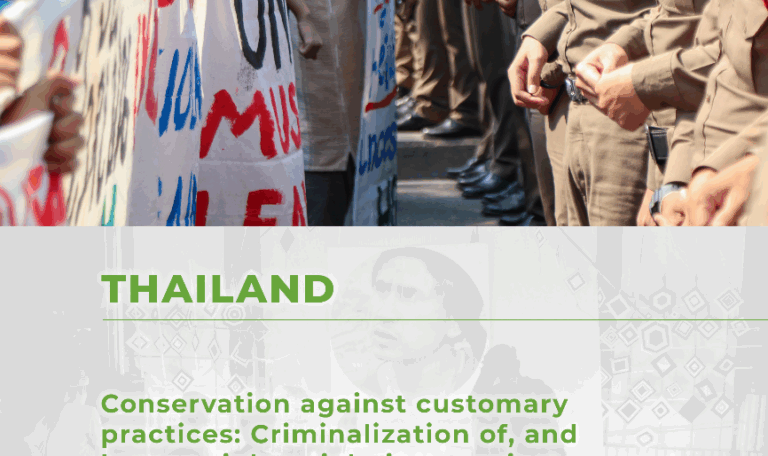
The laws on environment and natural resources in Thailand restrict and criminalize the customary practices of resource management of Indigenous Peoples, who are referred to as hill tribes. The implementation of these laws are contributing highly to the..
The United Nations (UN) reports that “despite all the positive developments in international human rights standard-setting, Indigenous Peoples continue to face serious human rights abuses on a day-to-day basis.” This is concurred by former UN Special Rapporteur on..
This report is produced by the Indigenous Peoples’ Rights International (IPRI), in partnership with the Articulaçao dos Povos Indígenas no Brasil (APIB). It is part of the partnership of these two organizations in advancing the global initiative to..
The Philippines has been in the limelight these past few years for its alarming human rights record under the notorious autocratic regime of President Rodrigo Duterte. Since 2015, several international human rights watchdogs have listed the Philippines among..
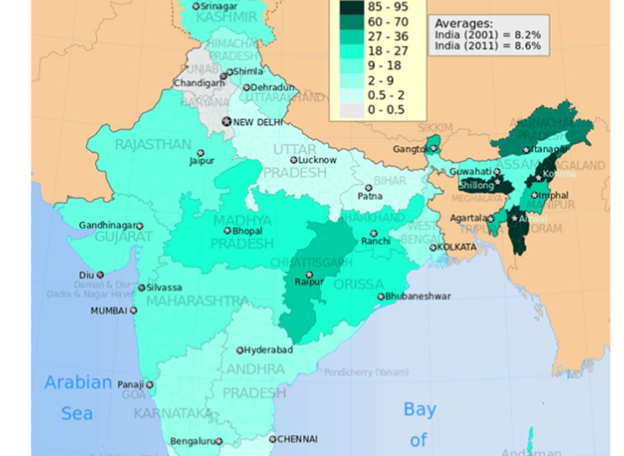
Crime Record against Scheduled Tribes (STs) India has partially implemented two noted Universal Periodic Review (UPR) recommendations relating to the effective implementation of the Scheduled Caste and the Scheduled Tribes Act and prevention of and justice for violent..
The Human Security Act of 2007, also known as the An Act to Secure the State and Protect our People from Terrorism was enacted purportedly to protect life, liberty, and property of Filipinos from acts of terrorism with..