
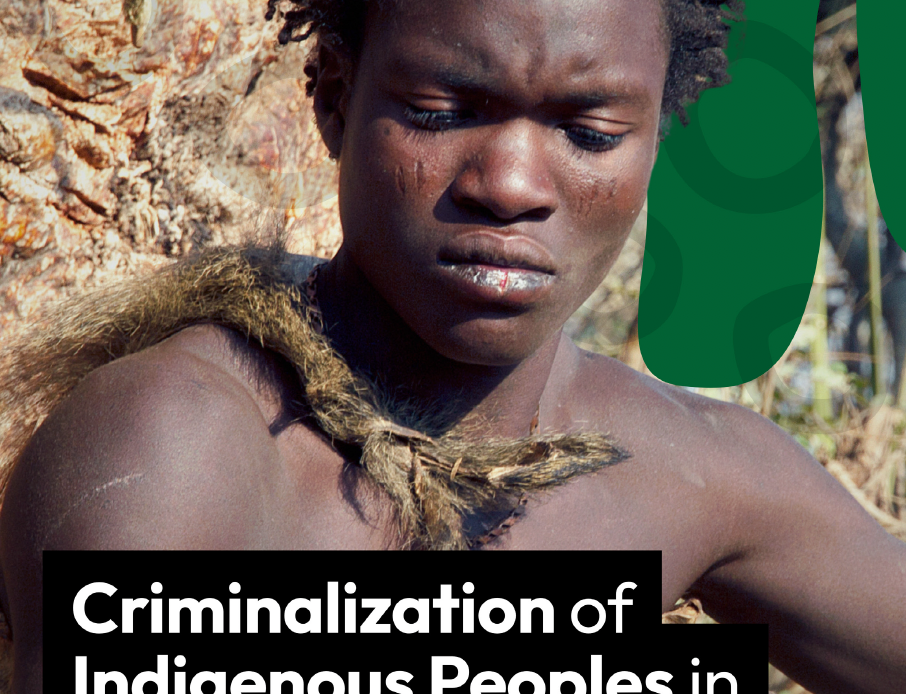
The Tanzanian Constitution, specifically Article 13, prohibits discrimination of all forms. Apart from its Constitution, the country has signed and ratified numerous regional and global legal instruments against all forms of discrimination based on gender and cultural background.
Tanzania has ratified the International Covenant on Civil and Political Rights (CCPR); the Convention on the Elimination of all Forms of Discrimination Against Women (CEDAW); the International Convention on the Elimination of All Forms of Racial Discrimination (CERD); the International Covenant on Economic, Social and Cultural Rights (CESCR); the Convention on the Rights of the Child (CRC) and the Convention on the Rights of Persons with Disabilities (CRPD). The country voted in favor of the adoption de the United Nations Declaration on the Rights of Indigenous Peoples (UNDRIP) in 2007.
The country has signed and ratified the African Charter on Human and Peoples’ Rights. The African Commission on Human and Peoples Rights recognizes Indigenous Peoples in Tanzania such as the Maasai and the Barbaig pastoralists as well as Hadza and Akiye hunter-gatherers. There are other Indigenous Peoples in the country, like Rotgenga and Burerga pastoralists and Sandawe hunters-gatherers.
In spite of its international obligations, the Tanzanian State, however, denies categorically the very existence of Indigenous Peoples.
The State ruthlessly and violently attacks defenders of Indigenous Peoples in the country. Any attempts to defend communal land rights often results in punitive criminal litigations. Indigenous peoples are forcefully evicted from their ancestral lands, depriving them of their natural resources. The State considers struggles for Self-determination and Self-governance as secession; the worst crime imaginable.
The following sections provide some cases that illustrate the criminalization of Indigenous Peoples in Tanzania.
