
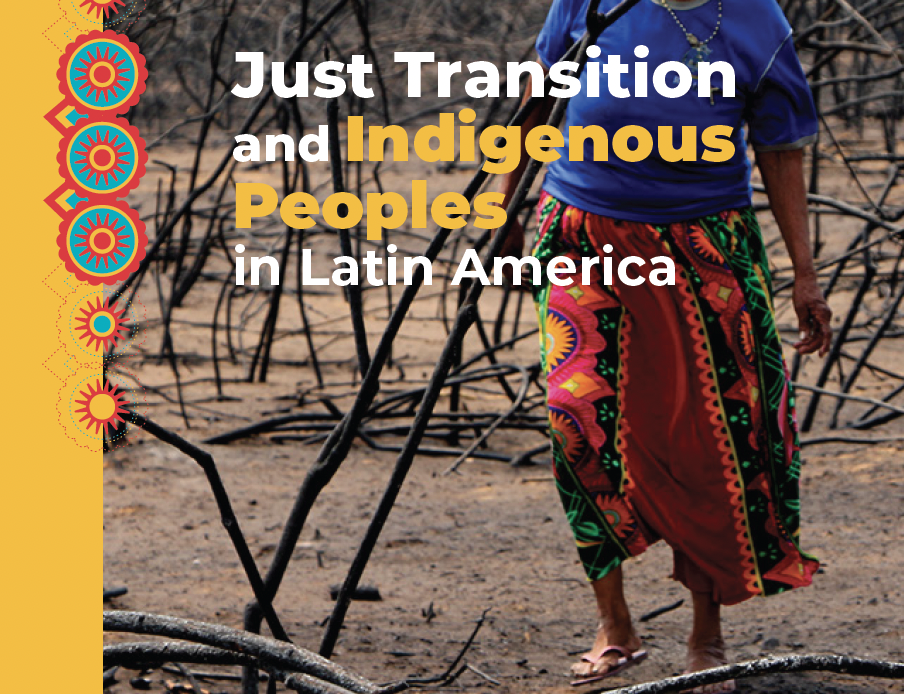
The world is racing to address the climate crisis through the expansion of renewable energy and the extraction of critical minerals needed to power it. While the energy transition away from fossil fuels is both necessary and urgent, its implementation is increasingly placing new pressures on Indigenous Peoples’ lands, territories, and resources. Across many regions, Indigenous territories are becoming the new frontier for mining, energy infrastructure, and other so-called green investments.
What is often overlooked is that Indigenous Peoples have long been among the world’s most effective stewards of nature. Their lands contain some of the planet’s most important ecosystems, biodiversity, and carbon sinks. Evidence consistently shows that where Indigenous Peoples’ rights and collective tenure are recognized, forests are healthier, biodiversity is better protected, and ecosystems are more resilient. Yet despite these contributions, Indigenous Peoples are frequently excluded from decisions affecting their territories and are often expected to bear the social and environmental costs of the transition.
Perhaps the greatest contradiction of the energy transition is that the peoples who have contributed least to the climate crisis and done the most to protect nature are now facing increasing threats from the very solutions intended to address it. Across Latin America and other regions, the rapid expansion of transition mineral mining and large-scale energy projects is resulting in land conflicts, environmental degradation, displacement, cultural loss, and attacks against Indigenous Peoples defending their rights and territories. Too often, these projects proceed without respect for Indigenous Peoples’ rights to self-determination, lands and resources, and Free, Prior and Informed Consent (FPIC).
Indigenous Peoples Rights International (IPRI) has taken up this issue because the energy transition cannot be considered just if it creates new sacrifice zones in Indigenous territories. There is nothing sustainable about solving one environmental crisis by creating another. Nor can climate action succeed if it disregards the rights, knowledge, and stewardship systems of Indigenous Peoples.
This report highlights both the challenges and the alternatives. It documents the impacts of energy transition projects on Indigenous Peoples while also demonstrating their leadership in advancing solutions grounded in rights, self-determination, and sustainability. The experiences presented here remind us that Indigenous Peoples are not obstacles to climate action. They are indispensable partners in achieving it.
A truly just transition requires more than replacing fossil fuels with renewable energy. It requires respect for human rights, recognition of Indigenous Peoples as rights holders and stewards of nature, and actions addressing the structural inequalities that is also driving environmental destruction and human rights violations with impunity. If the energy transition simply repackages old models of extractivism under a green label, it will fail both people and the planet. The path forward must be built on justice, equity, sustainability, and partnership with those who have safeguarded nature for generations.
Joan Carling
Executive Director
Indigenous Peoples Rights International (IPRI)


