
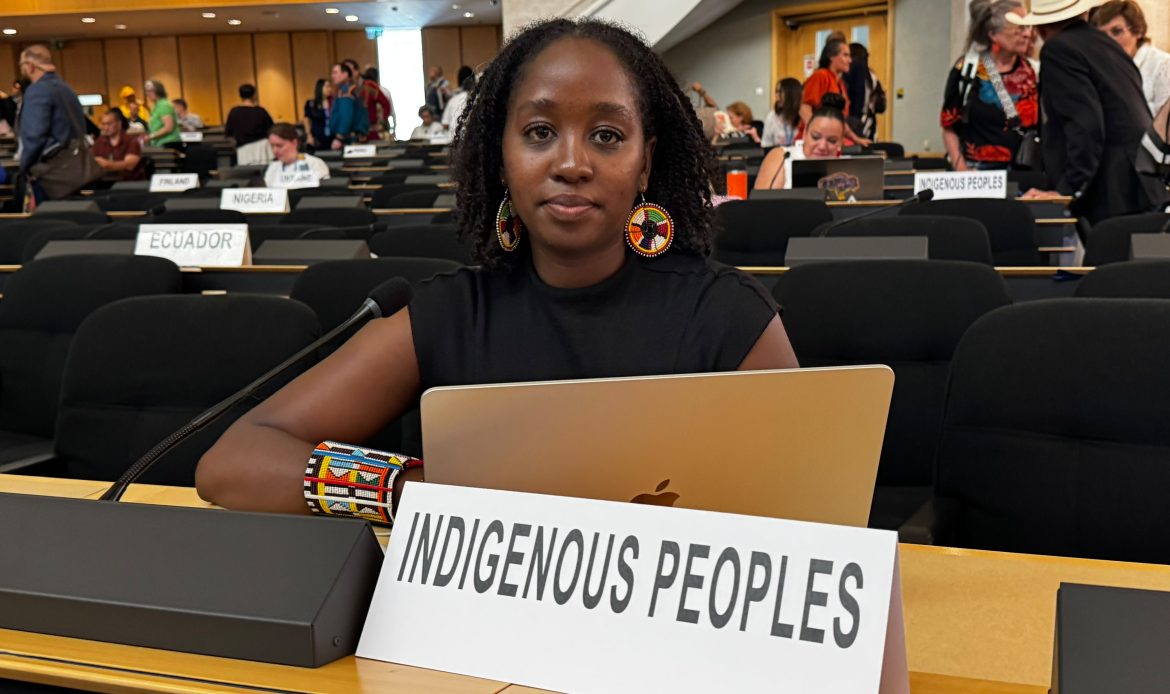
Expert Mechanism on the Rights of Indigenous Peoples (EMRIP). 19th Session
Agenda Item 3 : Study and advice on the rights of Indigenous Peoples in conflict and post-conflict situations for 20 Years of UNDRIP
Statement by Indigenous Peoples Rights International (IPRI)
Thank you, Chair.
The Indigenous Peoples Rights International (IPRI) welcomes EMRIP’s continued efforts to strengthen the protection of Indigenous human rights defenders.
Evidence generated through IPRI’s Indigenous-led documentation system demonstrates that, across the 709 documented incidents, we have supported 103 cases of Indigenous defenders facing increasing criminalization, threats, arbitrary detention, violence and killings for peacefully defending the rights of their Peoples, including their rights to lands, territories, resources and self-determination. These attacks are not isolated incidents; they reveal persistent failures to implement international human rights obligations and the United Nations Declaration on the Rights of Indigenous Peoples (UNDRIP).
IPRI respectfully makes two recommendations.
First, we encourage EMRIP to develop practical guidance for States on culturally appropriate protection measures for Indigenous human rights defenders, designed in partnership with Indigenous Peoples and recognizing the collective nature of Indigenous rights, leadership and governance.
Second, we call on States to end the criminalization of Indigenous human rights defenders by reviewing laws, policies and practices that are used to suppress the legitimate exercise of Indigenous rights. States must also ensure prompt investigations into attacks, accountability for perpetrators, and effective remedies for victims.
Protecting Indigenous defenders requires more than emergency response. It requires full respect for the rights to self-determination, lands, territories and resources, and to free, prior and informed consent. These rights are essential safeguards against violence, reprisals and conflict.
Protecting Indigenous human rights defenders is not only a legal obligation under international human rights law; it is essential to protecting Indigenous Peoples, strengthening democratic societies, and ensuring that human rights are effectively realized for present and future generations.
Thank you.


